
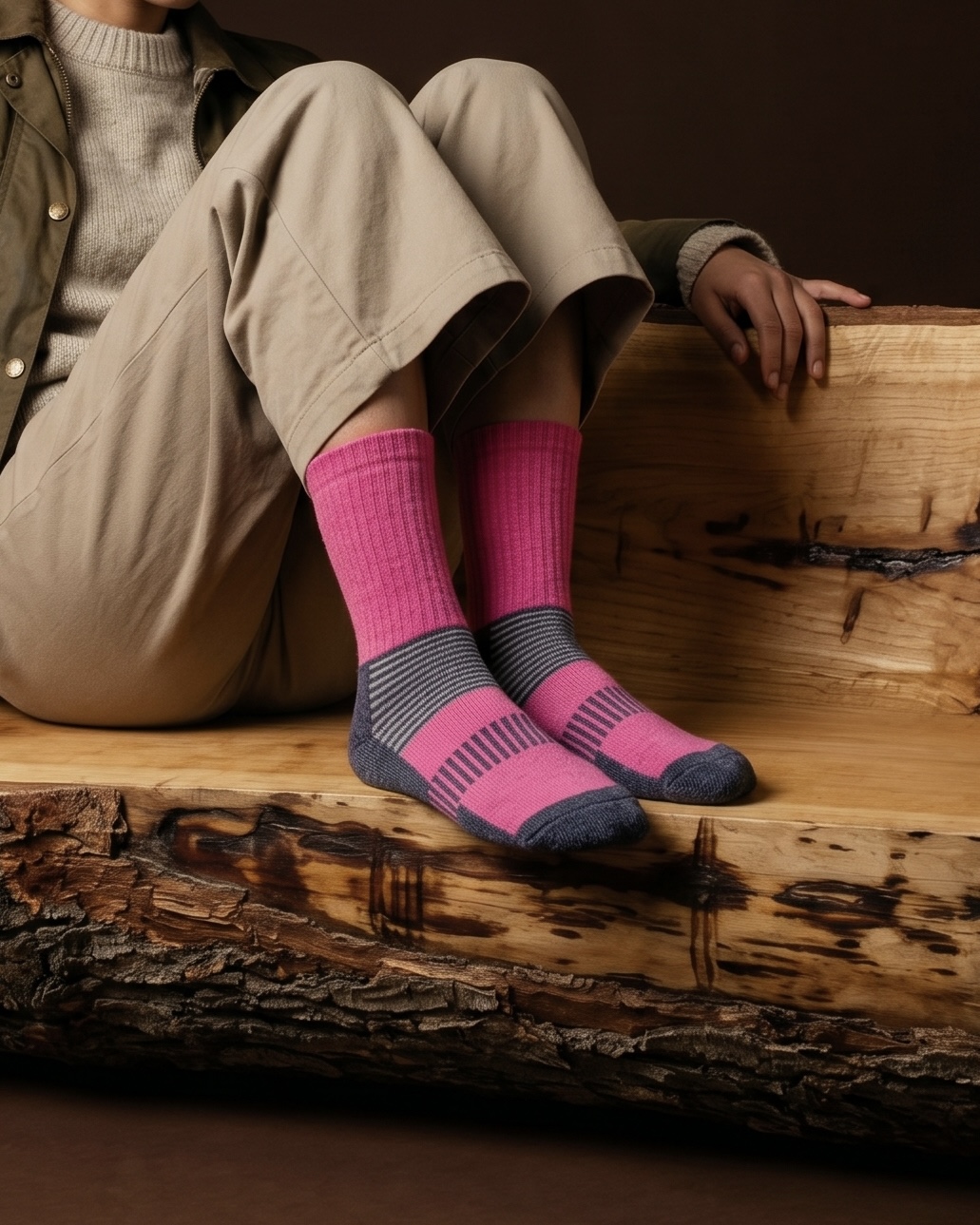
The Best Socks for Walking — Why Merino Wool Beats Everything Else
A bad pair of socks can ruin a walk. Blisters, sweaty feet, bunching fabric, cold toes — all of them trace back to the wrong sock choice. A great pair of socks, on the other hand, disappears from your awareness entirely. Your feet stay comfortable, dry and warm whether you are out for an hour or all day.
Here is what to look for in walking socks — and why merino wool, specifically, is the best material available for the job.
What Should You Look for in the Best Socks for Walking?
Not all walking socks are equal. The best socks for walking share four qualities: effective moisture management, natural cushioning in the right places, a secure fit that does not slip or bunch, and durability that stands up to heavy use over rough terrain. The material determines whether a sock delivers all four or falls short on most of them.
Why Merino Wool Is the Best Fabric for Walking Socks
Merino wool is uniquely suited to walking because it addresses every one of those requirements through its natural fibre properties — without synthetic additives or chemical treatments.
Merino wool fibres can absorb up to 30% of their own weight in moisture while still feeling dry against the skin. They regulate temperature across a wide range — warm enough for cold moorland mornings, breathable enough for summer coastal paths. They resist odour naturally, so a pair of merino walking socks can go multiple days without washing. And merino wool is flexible and resilient enough to cushion the foot without losing its structure, walk after walk.
No synthetic fabric does all of this simultaneously. Polyester wicks moisture but retains heat and smells quickly. Cotton absorbs moisture but holds onto it, leading to damp, blister-prone feet. Merino wool manages moisture, temperature and odour all at once — which is why serious walkers and hikers have relied on it for generations.
How Merino Wool Walking Socks Prevent Blisters
Blisters are caused by friction between skin and fabric, usually made worse by moisture. Wet skin is significantly more susceptible to blister formation than dry skin — which is why sweaty feet in cotton socks are the classic blister scenario.
Merino wool walking socks reduce blister risk in two ways. First, they keep your feet dry by drawing moisture away from the skin and releasing it through evaporation before it can saturate the fabric. Second, the natural softness and elasticity of merino wool means the sock moves with your foot rather than against it, reducing friction at the heel and toe — the two areas where blisters most commonly form.
For long-distance walking, this is the difference between arriving at your destination in good shape and spending the last hour in pain.
Merino Wool Walking Socks in Cold and Warm Conditions
One of the most compelling reasons merino is the best choice for walking is its all-season versatility. The same pair of merino boot socks that keeps your feet warm on a cold February walk in the hills will not overheat you on a warm April morning. The fibre self-regulates — insulating in the cold, releasing heat in the warmth.
This means you do not need separate summer and winter walking socks. One high-quality pair of merino wool walking socks covers the full range of British weather, which is exactly what you need when conditions can change within a single day on the hills.
Ankle Socks vs Boot Socks for Walking — Which Is Better?
The answer depends on the type of walking and the footwear you wear.
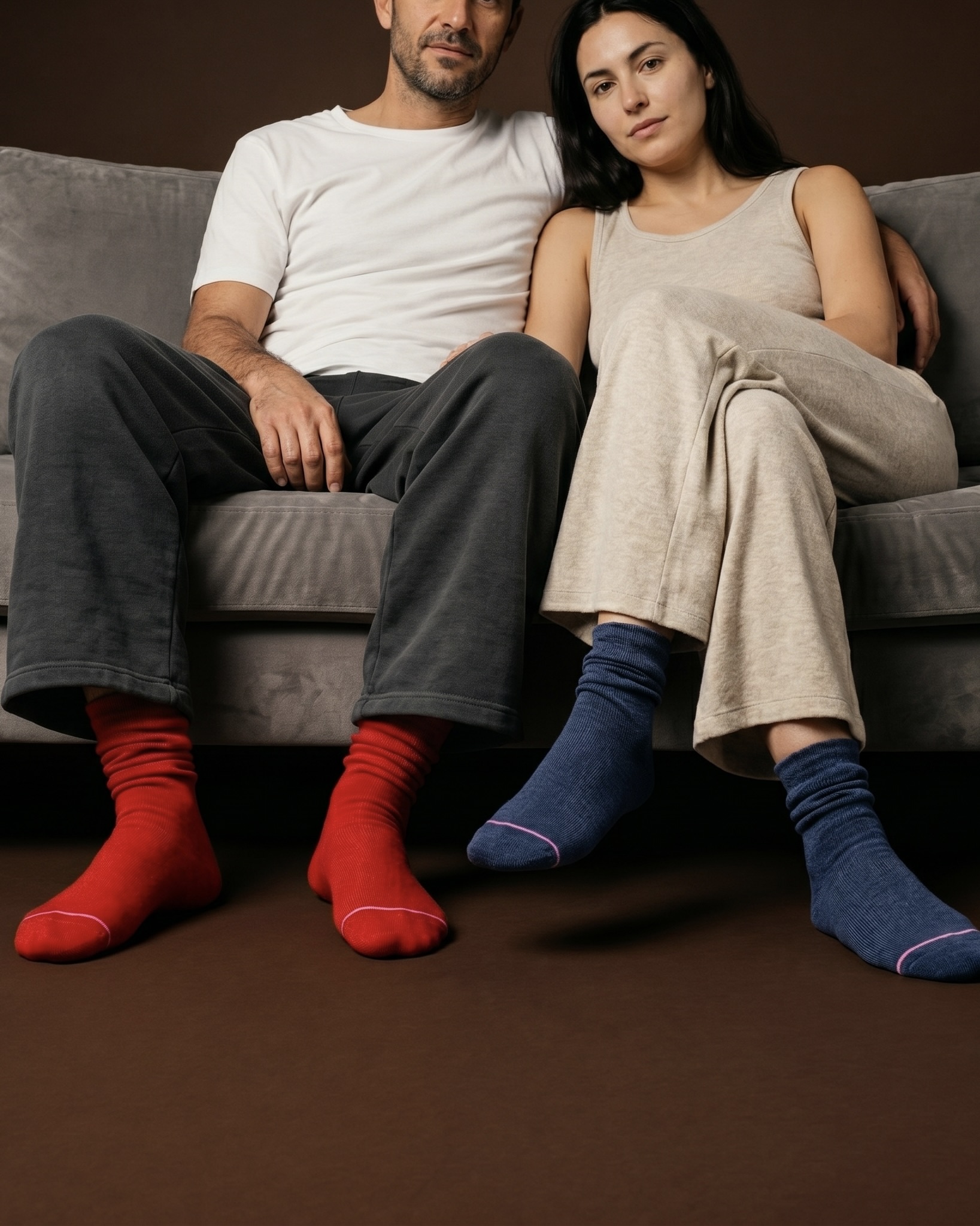
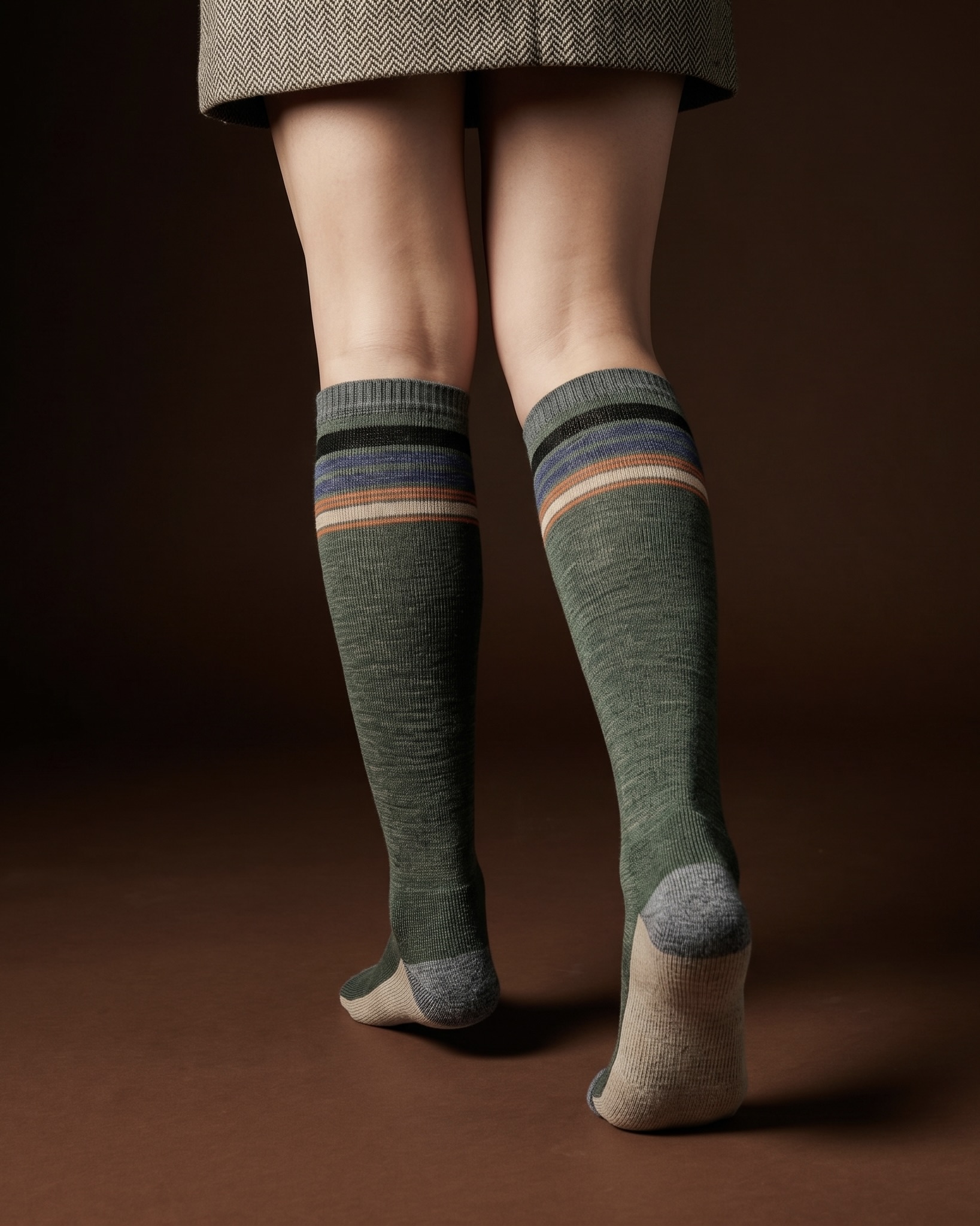
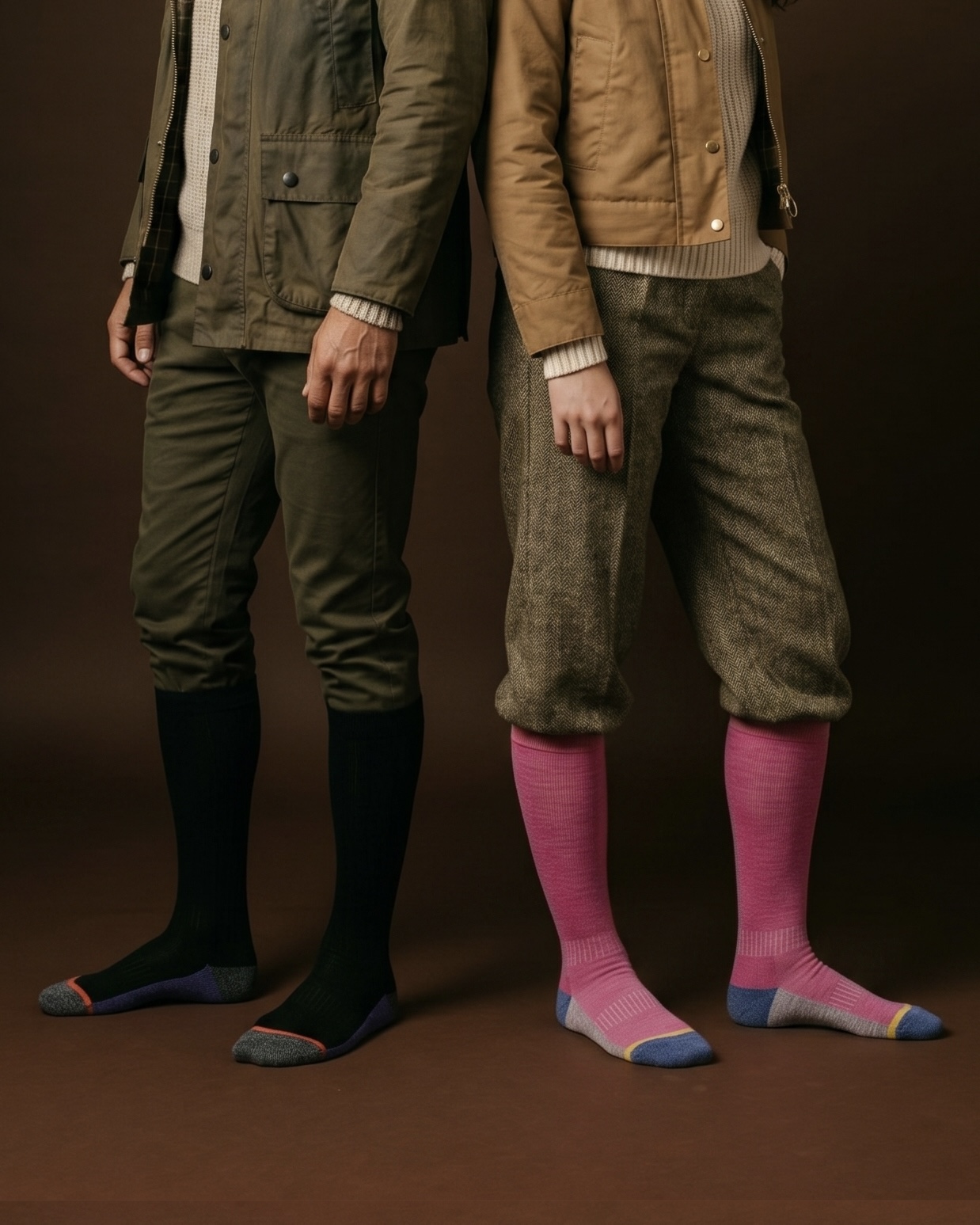
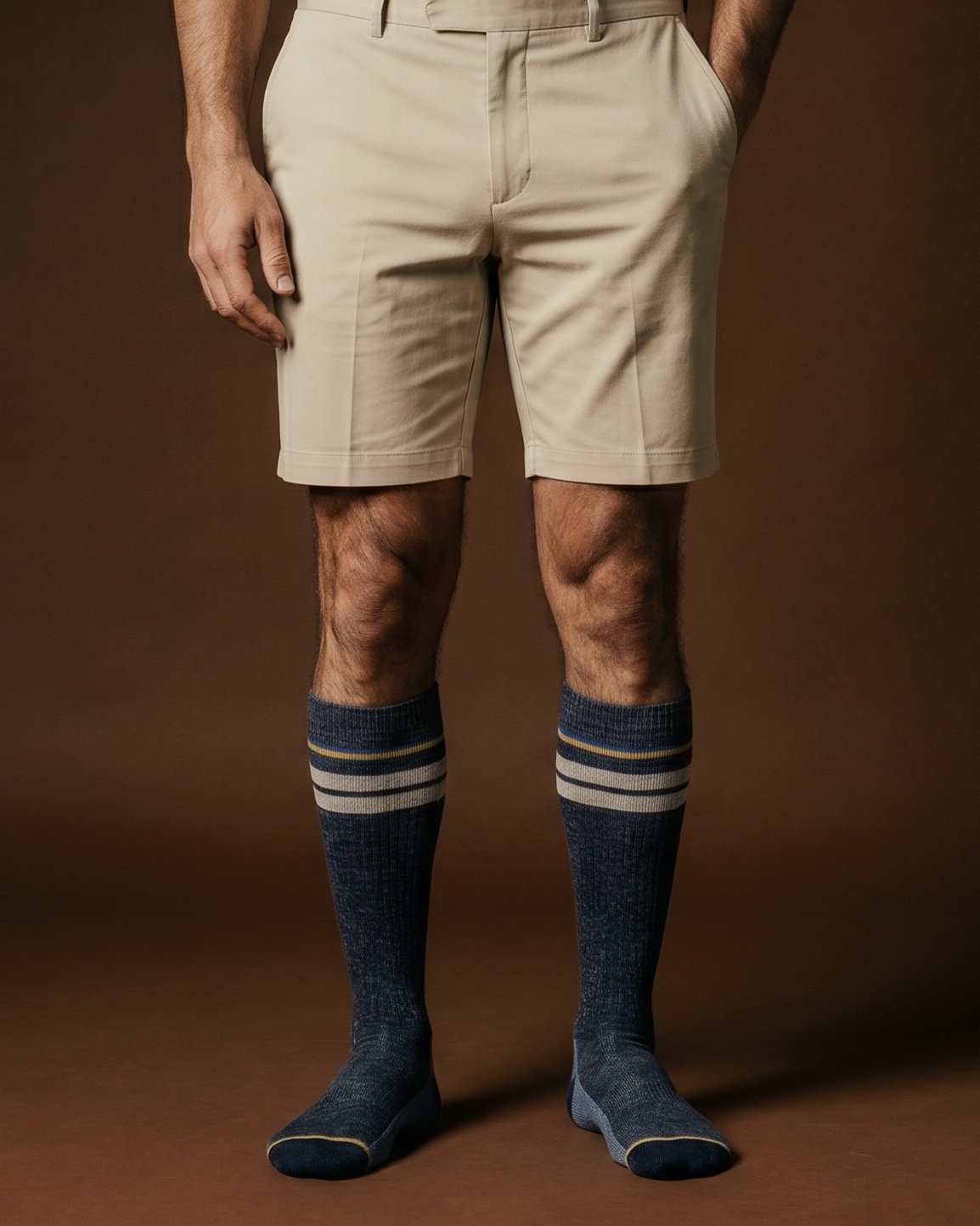
Merino boot socks — mid-calf length — are the better choice for hiking boots, trail shoes and any activity involving rough terrain or significant elevation. The extra length protects the ankle and lower leg from the boot cuff and provides additional cushioning where you need it most. Our mid-length and boot socks are designed specifically for this.
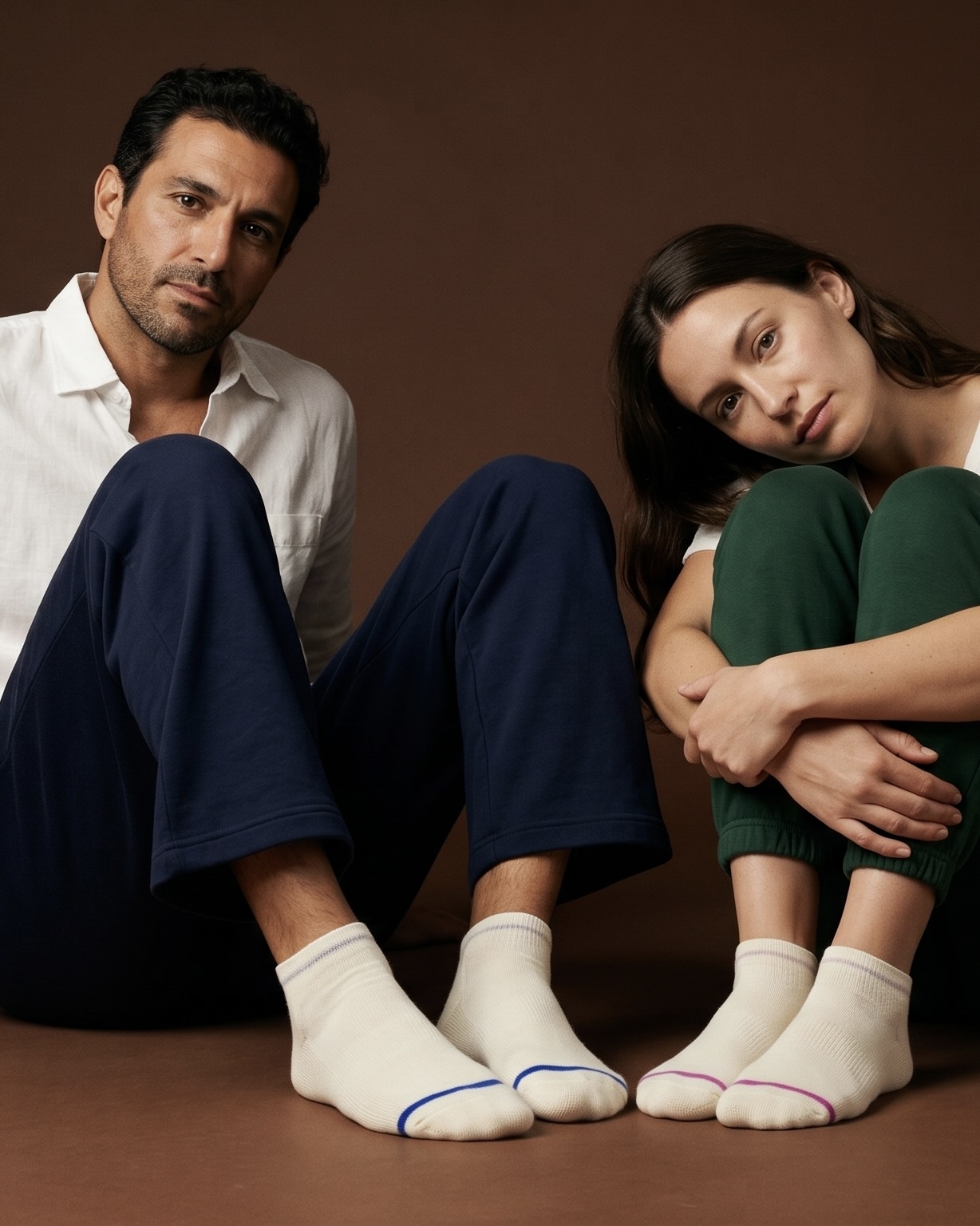
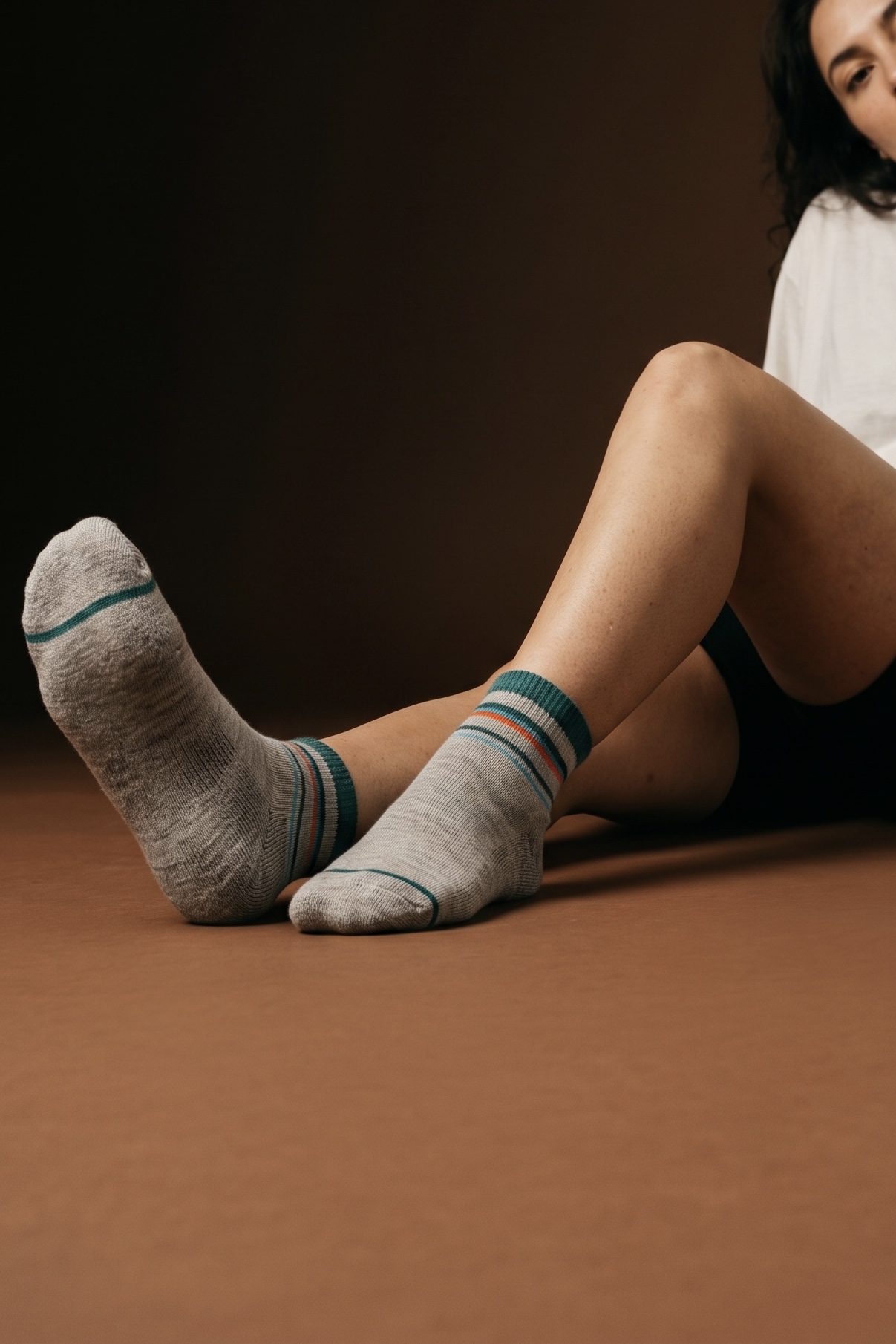
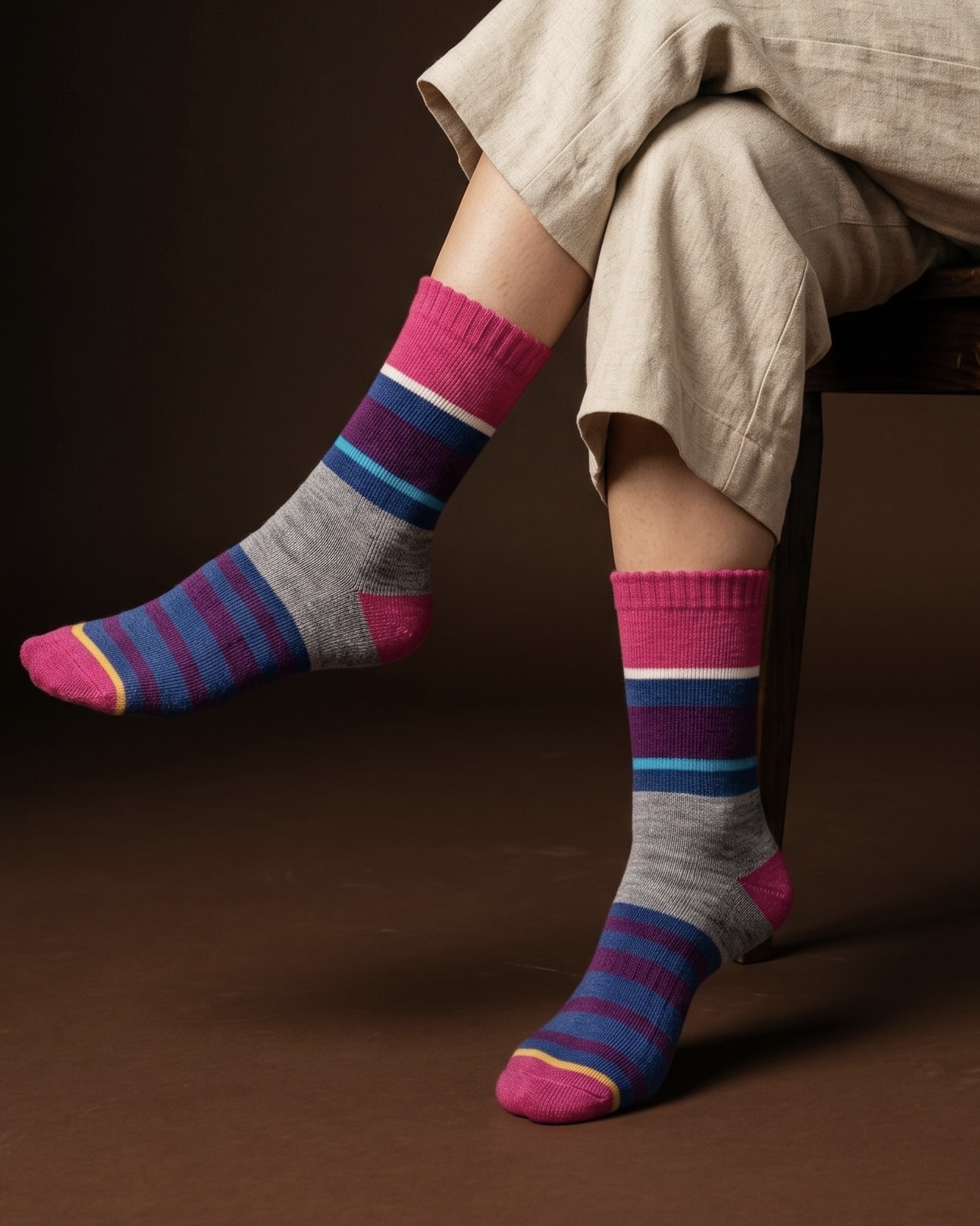
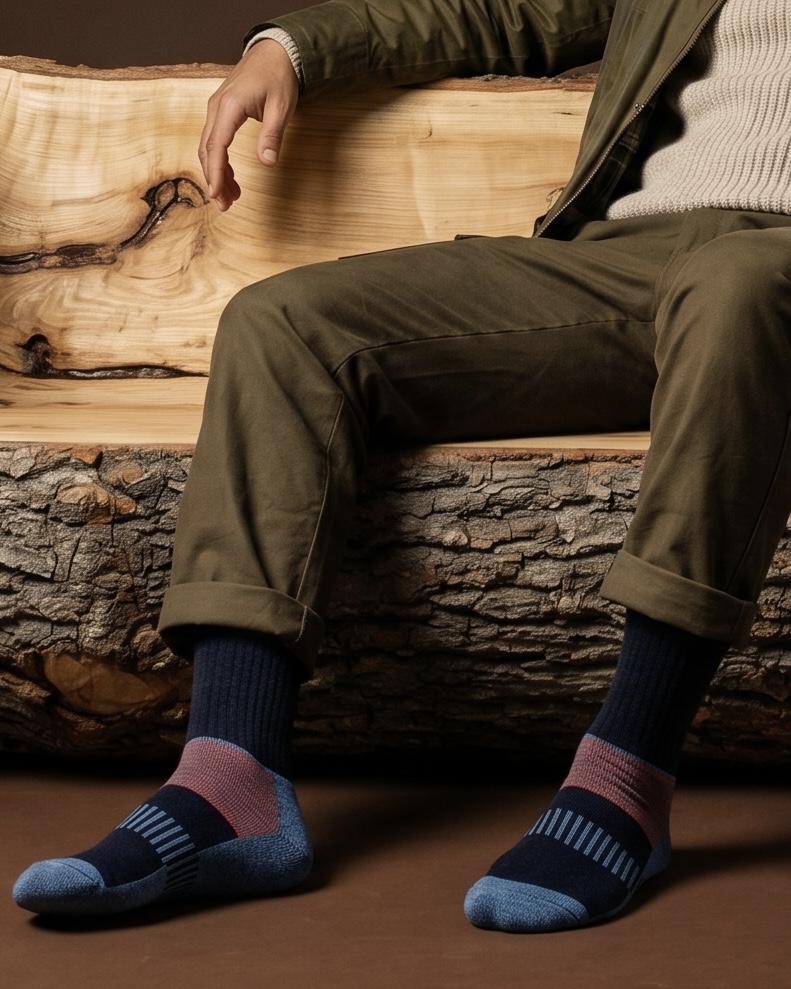
Merino ankle socks are ideal for lower-cut walking shoes, trail runners and casual countryside walks where comfort is the priority over heavy-duty protection. They are also better suited to warmer weather where you want more airflow. Browse our merino ankle sock range if this matches your walking style.
How Long Do Merino Wool Walking Socks Last?
A well-made pair of merino wool walking socks, cared for properly, will last several years of regular use. Merino fibres are naturally elastic and resilient — they flex and recover without breaking down the way cotton fibres do. The key is washing at low temperatures (30°C maximum) and laying flat to dry rather than tumble drying.
Compare this to synthetic walking socks, which typically thin and lose cushioning within a season of heavy use, and the value of investing in quality merino walking socks becomes clear.
The Best Merino Wool Socks for Walking in Britain
PITTCH merino wool socks are designed in Britain for British conditions — unpredictable weather, varied terrain, and the expectation that your kit will hold up over years of use. Every pair is made from premium New Zealand Merino wool and built to the quality standard that our customers demand.
Whether you are a daily dog-walker, a weekend hill-walker or a serious long-distance hiker, there is a PITTCH walking sock that fits your requirements. And with our bundle deals offering up to 10% off when you buy three or more pairs, it has never been a better time to stock your kit bag properly.
For trail and hiking sock recommendations from an independent perspective, the outdoor community consistently endorses merino wool as the gold standard for natural fibre performance.